Pangong Tso, a living remnant of natural history.

-Written and photographed by Rinchen Angmo

Pangong Tso is so much more than a water body, it is a living remnant of natural history. 

Anyone who’s been to Pangong Tso will testify to it’s limitless beauty. Glittering amidst snow capped mountains, the water body is one of its kinds. Different hues of blue adorn it’s large expanse. 

Pangong Tso is not only a beautiful water body but also a living remnant of natural history. According to geography, the Tethys sea was an ancient water body that existed in this part of the world. As the two continents collided to give rise to the Himalayas, the sea was subsumed, except some bits of it which remained as lakes. Other theories trace the origin of high altitude lakes to later tectonic activities. Either way, lakes like Pangong Tso in the Trans-Himalayas are living remnants of natural history. 

Pangong Tso. June 2024.
Read more

Holding one’s own in rural Ladakh.

-Rinchen.

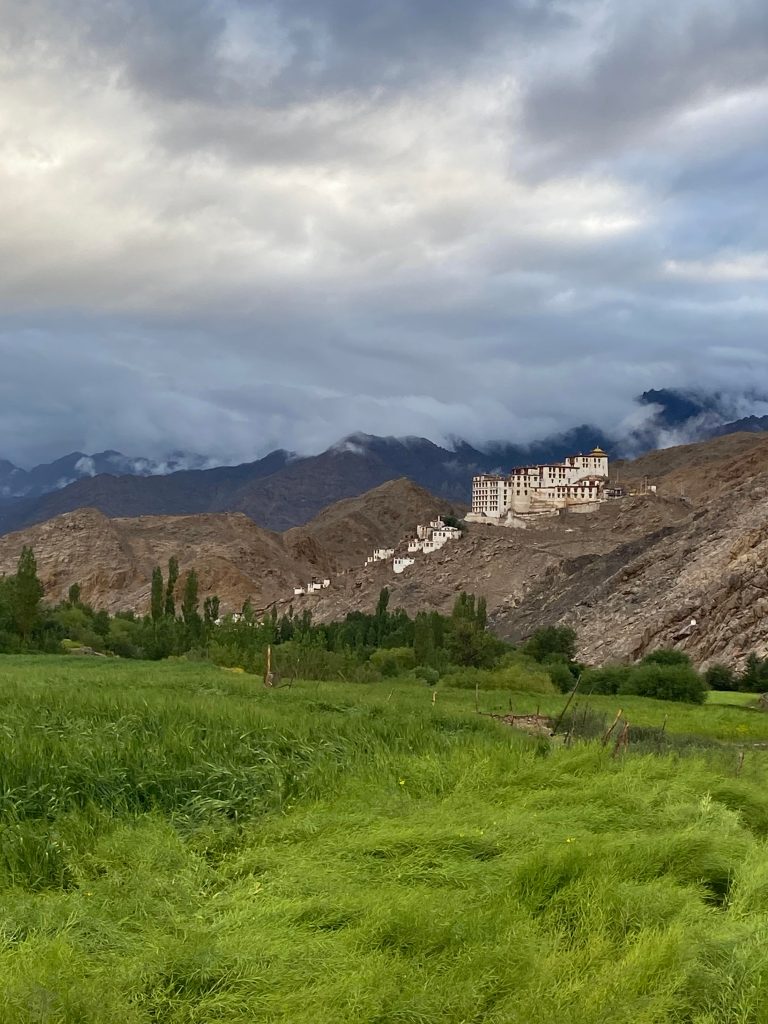
Chemrey.

I read a beautiful article this morning in The Hindu’s Sunday Magazine. During the pandemic, I like many others, have found great solace not only in nature but also in learning about nature. The article’s author had written emphatically about planting the right kind of trees in the right region. The author also pointed out the harm of planting trees in areas that are not natural havens for trees: open natural ecosystems (ONEs); Ladakh being an ONE. 

In recent years, Ladakh has witnessed various environmental measures, but do we understand whether they are ecologically sound? I for one, honestly don’t pretend to understand, but I do know that not everything that we think is good for nature is good for nature; that not so incidentally applies to our own well being as well. 

Read more