Written by Tenzin Chonyi
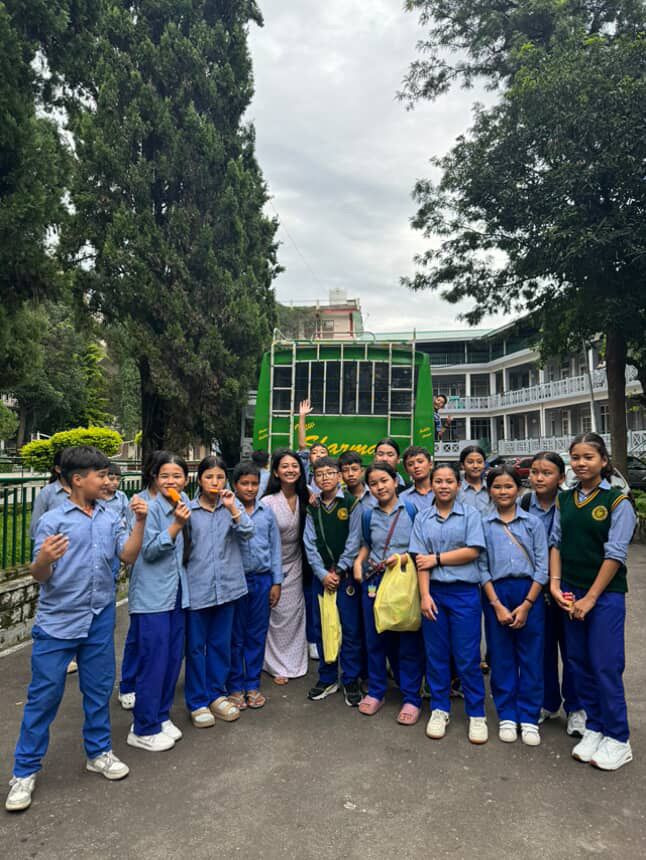
July 1, 2024 marked a transformative milestone in my life—my year-long journey to Dharamshala, India, immersing myself in the heart of the Tibetan diaspora community. Dharamshala serves as both a symbol of refuge and the exile capital for Tibetans worldwide, established after the 1959 Chinese invasion of Tibet. India’s unprecedented generosity provided the foundation upon which Tibetan civilization could flourish in exile, transforming from a displaced population into a thriving, self-sustaining community.
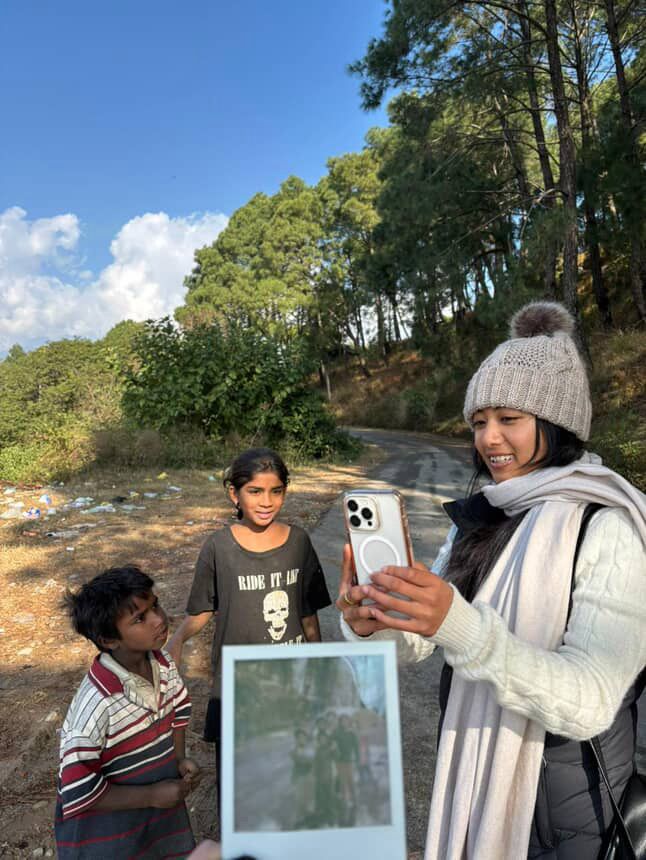
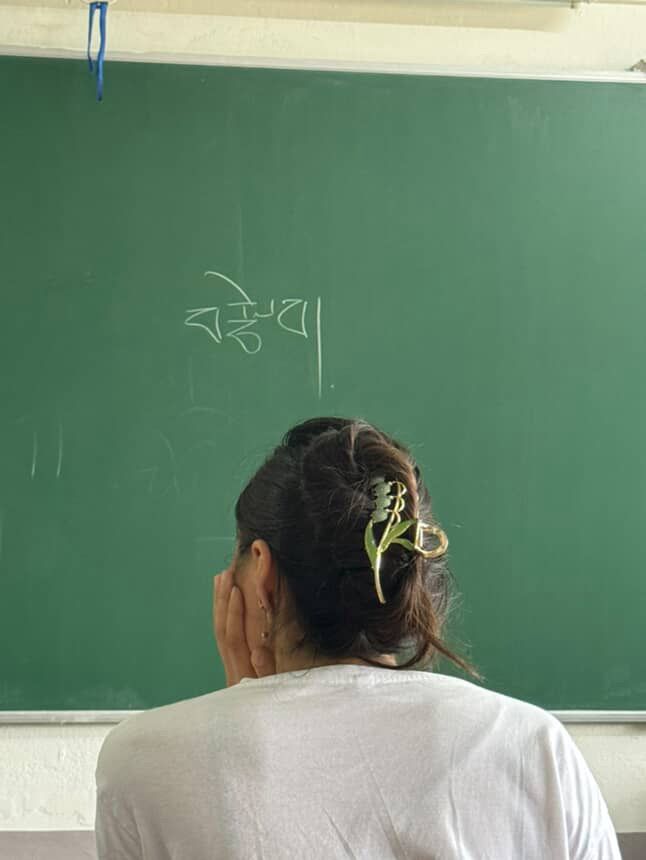
My experience proved extraordinary, particularly studying at Sarah College for Higher Tibetan Studies. Though I maintained fluency in spoken Tibetan despite growing up in Seattle since age seven, due to a busy life I hadn’t learned to read or write in my native language. Sarah College helped bridge this gap through immersive education. As a people’s person who enjoys learning languages, I also learned Hindi fluently while there, which opened doors to deeper connections with local Indians and the resilient children from Bihar whose circumstances profoundly touched my heart.
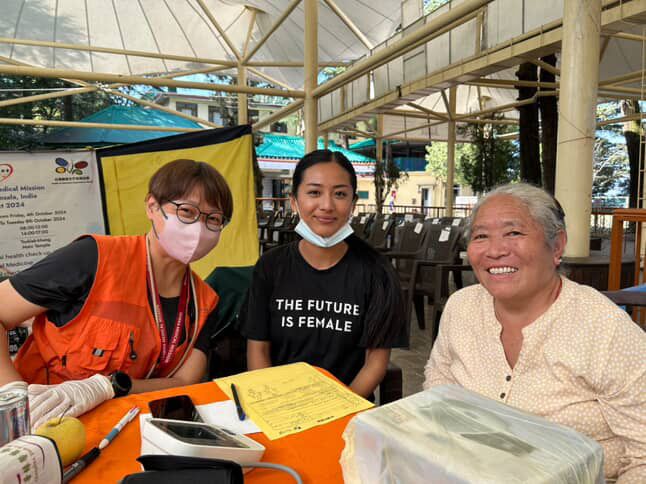
The contrast between my American life and Dharamshala’s spiritual atmosphere was striking. In America, cultural identity often feels fragmented by materialism and individualism, but in Dharamshala’s monasteries and meditation centers, I experienced profound spiritual growth and became more mindful. The daily rhythm of prayers, teachings, and contemplation created a deeper connection to Tibetan Buddhism than I’d ever experienced in Seattle’s scattered community.
What made Dharamshala truly special was witnessing Tibetans from Germany, Australia, Canada, and settlements across India converge in this sacred space. Unlike the isolated diaspora communities abroad, here we connected on deeper spiritual and cultural levels, sharing stories, practicing together, and strengthening our collective identity.
I also visited settlements like Bylakuppe, established in 1961, which evolved from barren terrain into vibrant communities, and witnessed remarkable intercultural relationships. South Indians near Tibetan settlements speak Tibetan with eloquence, often surpassing diaspora Tibetans who’ve experienced linguistic erosion growing up abroad.
As we commemorate His Holiness the Dalai Lama’s 90th birthday, his message inspires me to encourage the youth to explore beyond their immediate identity. His Holiness views India as a spiritual homeland, characterizing the India-Tibet relationship as a teacher and disciple equation with reference to Buddhism. My experience has inspired me to advocate for greater awareness of these transformative opportunities, hoping young Tibetans from anywhere—Seattle, New York, Toronto—can undertake similar journeys of cultural reconnection.
Without India’s generous sanctuary, there would be no place like Dharamshala where Tibetans worldwide could converge, continue our spiritual and social struggle, and stand against oppression together as a unified force.
Bio- Tenzin Chonyi moved from Maharashtra to Seattle when she was seven years old. She balances her medical aspirations with an adventurous spirit; navigating life as she bridges two cultures.
