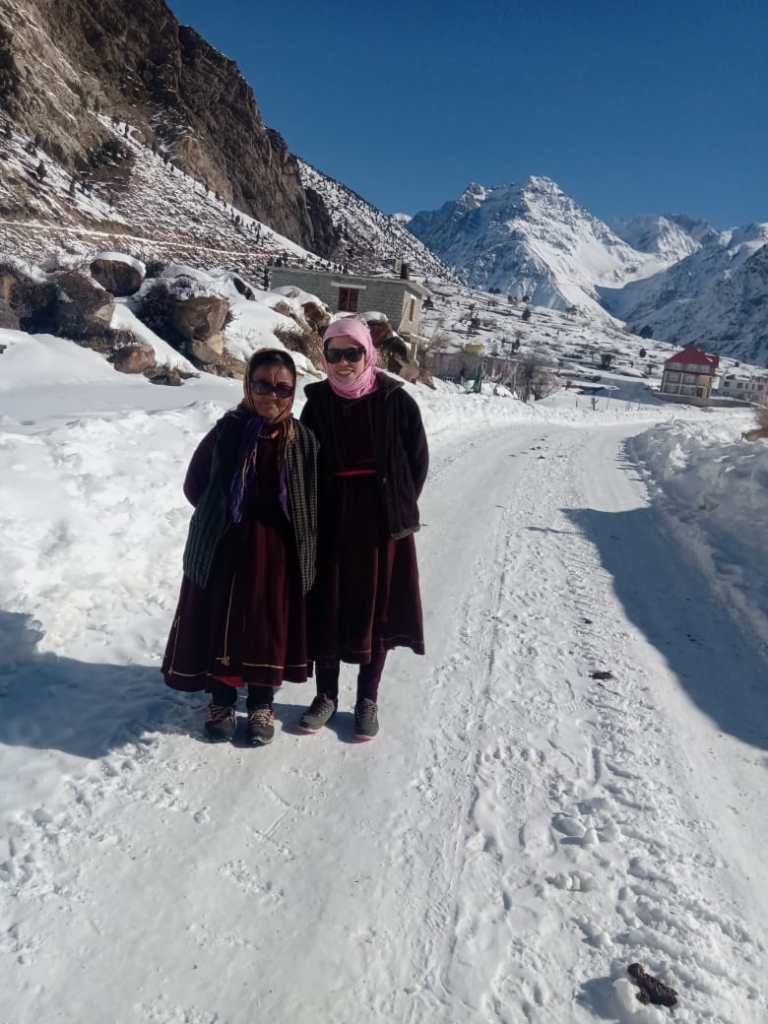
On Dams and Electricity: A Story from Malana

By Sonam C

In the early summer of 2018, right after I had finished my Class 12 CBSE Board exams, I went with my family to the village of Malana. When I recall this time, I instinctively tell people “We went on a spiritual tour, like a pilgrimage.” Hardly, anyone believes that a group consisting of me, my sister, my mother, uncle and aunt, my cousin, her husband and her two kids travelled and trekked to Malana to pay our respects to the local god Jamlu.

Read more
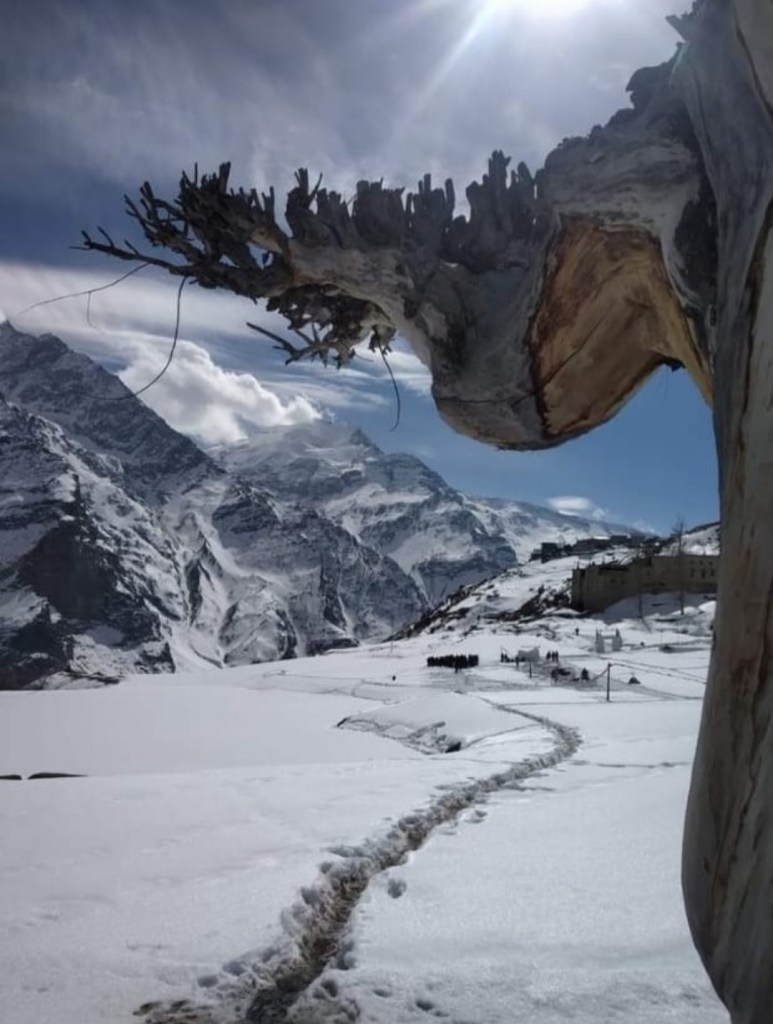
The History of Bodyig (Tibetan script) and its current state in different regions.

Written by Rinchen Angmo.

The Bodyig script was created owing to the vision and foresight of one of the greatest Tibetan Kings, Chogyal Songsten Gampo, the 7th century ruler of Tibet. The King realized that the advancing kingdom of Tibet would soon require its own script. Chogyal Songsten Gampo sent his intelligent minister Thonmi Sambhota to India with fifteen other young Tibetans so that they could learn Indian languages whereby they could develop a script for Tibet. On Thonmi Sambhota’s return from India, the Tibetan script was finalized.

Bodyig also known in some regions as Bodhik or Bhoti, is the script that became indigenous to Tibet, Ladakh, Lahaul (sTod valley), Spiti, Bhutan (Dzongkha), Baltistan, Sikkim (for Bhutias) and other regions. However, the usage of the script is slowly waning in many regions.

Read more

A beautifully surreal month.

Written by Rinchen.

I would like to begin by thanking His Holiness The Dalai Lama for blessing and bringing so much joy to all the people of Ladakh. Chhaksal.

Each day of His Holiness’s presence in Ladakh has been filled with beauty and wonder for each and every Ladakhi in so many different ways. His Holiness’s interfaith visits, secular teachings, religious teachings, visits to Zanskar and Lingshed, and the various functions that were hosted in his honour, brought blessings upon and joy to a countless number of beings who had the sode and sonam (luck and merit) to be in His Holiness’s presence. We Ladakhis are truly honoured to have had His Holiness visit Ladakh as his first destination since the pandemic broke out.

We will miss all the beautiful moments that His Holiness’s visit brought and now look forward to His Holiness’s visit next year.

Read more

Young and weathering years.

-Rinchen.

Considering Ladakh’s small population, one hears of suicide all too often; specially amidst the youth. Yet, it’s never talked about. These days, there is no solid support structure for the youth. The ‘elders’ who should be guiding the youth are either themselves misguided or are too busy.

In my opinion, one’s solid as well as individually understood source of support, in this day and age, understanding one’s mind. One way to that is through spirituality.

I’m not certain about other places, but surely Ladakh’s Buddhist youth is slowly getting disconnected from its religion: Tibetan-Buddhism. Factors are aplenty: apathy; ‘too cool for spirituality’; ‘too “rational” for spirituality; not been properly introduced to the tenets of the religion; too busy; lack of guidance. The youth today fails to understand that notions of success and coolness cannot take one far; without a firm understanding of the mind we are essentially just drifting through life. On the other side of the coin, the elderly are either unable to effectively share their knowledge, are ‘too cool’ themselves or are ignorant.

Read more

Chodpa Festival, Khangzar

By Sonam Chhomo

Khangzar Khar, Lahaul valley, Picture credits: unknown person from Lahaul. 

Khangzar palace or locally known as the Khangzar Khar is the only palace which exists in the sTod valley (the upper valley of Lahaul valley). It was the home of the Jo/Thakurs/Wazir of Khangzar and the birthplace of Queen mother of Ladakh, Rani Parvati Devi Deskit Wangmo.

Yesterday the villagers of sTod valley (the upper valley of Lahaul valley) celebrated the Chodpa festival at the Khar where the villagers gathered and paid respect to the local Gods. 

Read more

History of Lahaul

– Sonam Chhomo

Lahaul has been the centre of two flourishing Kingdoms- the Ladakh kingdom in the north and north-west and later the Kullu and Chamba kingdoms in the south and south-west, overtime giving the people a space to form their amalgamated version of local cultures. The exact history of these regions, as Nawang states in the earlier essay, is difficult to establish pertaining to the lack of efforts in documentation in these regions. Similarly, Lahaul in the eyes of a tourist is seen as one combined valley but in reality is divided into different cultural zones within the same valley. Customs, traditions, Gods and even languages are separately defined for each valley within the entire Lahaul Valley. 

Read more