In the early summer of 2018, right after I had finished my Class 12 CBSE Board exams, I went with my family to the village of Malana. When I recall this time, I instinctively tell people “We went on a spiritual tour, like a pilgrimage.” Hardly, anyone believes that a group consisting of me, my sister, my mother, uncle and aunt, my cousin, her husband and her two kids travelled and trekked to Malana to pay our respects to the local god Jamlu.
My family friends came to meet us a day after the beginning of the Tibetan New Year and Fagli, the new year celebrated by the people of the Pattan Valley in Lahaul. They were cheery and happy like always. They told me how they used to spend their winter days in Lahaul as children. It started from their school days and ended up discussing the pack of young boys who used to take notice of the shepherds from Zanskar and use their donkeys to ride in the fields. From picking apples from a neighbor’s farm to playing with a bow and arrow in the field, they concluded: “You have never experienced this joy in the cities.” I agreed with her since our city life was almost devoid of the community and nature that Lahual offered. In the next few silent minutes, my aunt finally asked me about my meeting with Jetsunma. She later revealed how she met Jetsunma Palmo. Her first meeting was surprisingly in that same cave that Jetsunma had resided in. She had gone on one of her expeditions with her father to the jungle. One day, as she was the youngest in that expedition, she was sent to her to ask for some salt. The first meeting was the simple act of getting salt from Jetsunma. The second time she met her was at a function organized by some monks from Kinnaur. At a random book collection for her daughter at Capital Book Depot in Chandigarh, she came across a book with a cover image of someone she knew. On further notice, she recognized Jetsunma Tenzin Palmo in her first book. Her meetings with her happened by chance as if fate was just unveiling itself as she opened one door to another.
There are times when I feel that I do not have a right to speak about my valley. After all, I have half a parentage from there. Since childhood, my sister and I have constantly juggled between identities that our multi-ethnic selves reflected in our facial features and body languages. If the places in which we lived commented on our not-so mainlandish features, our hometowns considered us the opposite. We looked quite different even from them. As the looks would always be an issue, I guess my family members tried looking at it from a different perspective. Instead of eyes, they would comment on how my hair resembled my aane’s. Instead of the tone of the skin, they would tell me that I behaved exactly like a Lahauli. Although I used to take these matters seriously, it’s only on reflection that I realize these were rueful complements to make me feel a part of the family, of the larger community.
Marriage is one of the most important institutions of any civilisation. It acts as the base of many societies. Various societies have their own rituals and customs for marriage.
And over time, the rituals and customs have evolved. In the old days, Kinnauri weddings used to happen for 4 days. But due to time constraints and other unknown reasons, marriages have now become just a 2 day event.
I still remember the times when the arrival of Buchen to our village was an annual event. Every year they would appear in the winter months, when all the villagers were done with their farm work and were about to go into resting mode, and then after days of performances, Buchen would disappear for the rest of the year. I remember the Buchen who would go to different villages one after another spreading religious knowledge in dramatic and witty ways.
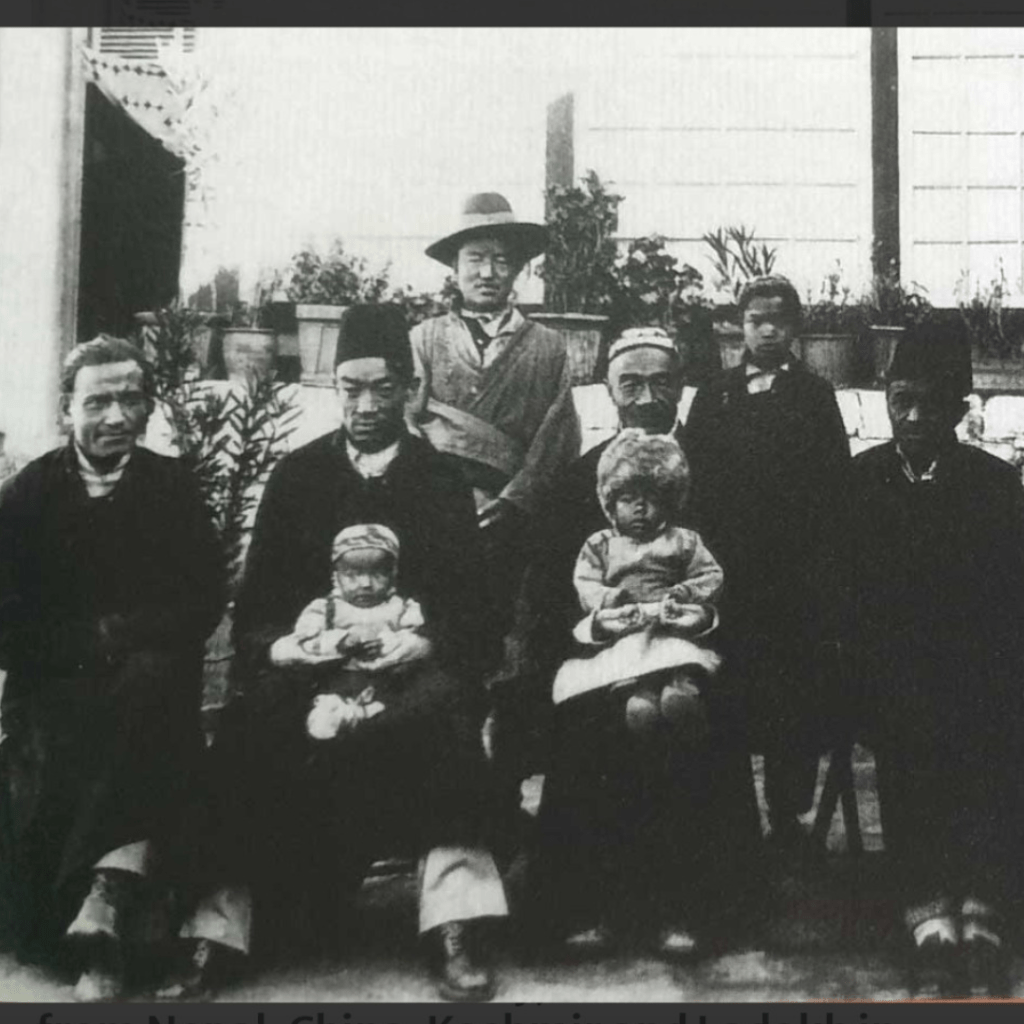
Tibetan Muslims were known as the Kache community in Tibet wherein Kache is a word derived from Kashmir. Kache community come from Kashmiri or Turkic descent through patrilineal lineage. They married Tibetan women when they settled in Tibet which later formed the genesis of intercultural religiosity of the Kache community. According to David Atwill, in the pre-twentieth century context of Tibet, Kache in Tibetan could simply refer to those who practiced Islam without a necessary ethnic affliliation.
How is Zanskar seen from different perspectives- students who left their land for better education, families who migrated from Zanskar a long time ago, and a film that captures a remote Himalayan village?
—-Written by Sonam Chhomo Photographs sent by Anushka Kashyap Film pic taken from Lonely Planet
In the areas of Lahaul, Spiti and Ladakh, Tibet, Bhutan, Sikkim, and possibly Arunachal Pradesh, we have these traditional styled tables and mattresses in living rooms that are indigenously connected to our communities.