-written by Karma Negi
Marriage is one of the most important institutions of any civilisation. It acts as the base of many societies. Various societies have their own rituals and customs for marriage.
And over time, the rituals and customs have evolved. In the old days, Kinnauri weddings used to happen for 4 days. But due to time constraints and other unknown reasons, marriages have now become just a 2 day event.


In the old days, a lot of meat dishes used to be served in marriages, but nowadays it has been banned in some parts of Kinnaur, which I consider a good change.
Ceremonies used to be very simple in the old days, except the gifts which were to be given to the bride (along with dowry items that were somewhat special because they were accumulated by the bride’s family over time). But nowadays, marriages have become a way of flaunting wealth. People compete really hard to uplift their social status which ultimately acts as a burden on poor families. Being in a society demands a lot, you have to match marriage standards set by others.
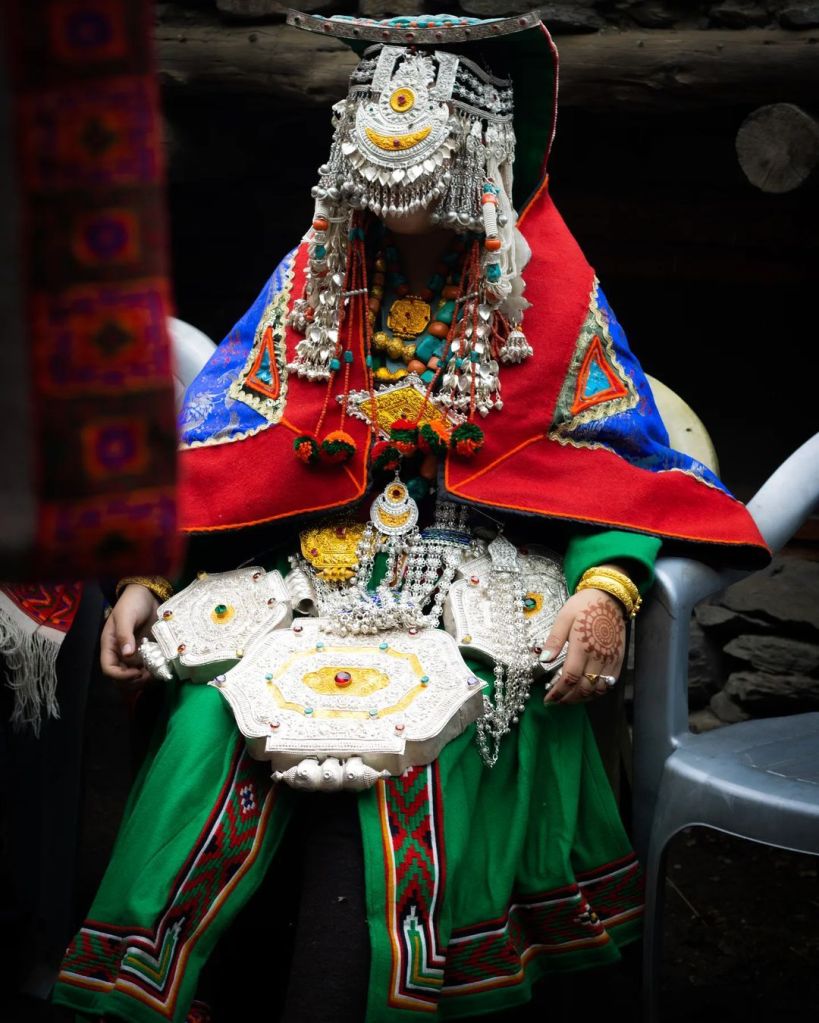
Also, there was a time when the bridegroom’s procession used to go on horses, when there were no roads or vehicles. In some cases, they would come and steal the bride, and then in the next few days the boy would convince the bride’s family of the marriage.
Nowadays, due to exposure to different cultures, new things are getting introduced to Kinnauri weddings too. The most recently introduced customs are “Haldi” and “Mehandi”, there may be others too, but these are the more noticeable ones. People add more days to hold haldi and mehandi ceremonies, which extends the overall marriage time too. When people make time for these ceremonies, they sometimes miss our own traditional ceremonies due to time constraints.
Mehandi and haldi are not part of our culture yet people enjoy these traditions. Nowadays, every wedding in Kinnaur has these ceremonies. This wouldn’t have been possible before, but in a few years more ceremonies might get introduced, which will certainly lead to lesser time being given to our traditions.
In our culture, we have a rich collection of old songs and folklores especially for marriages which have had special importance and meaning since time immemorial. In the upper region of Kinnaur, there’s this exchange of songs between the groom’s procession and bride’s side. The groom’s procession has a special group of people (usually 7) who have great knowledge of old songs and traditional dances. They are called over to lead the procession. On reaching the bride’s door, they find a group of ladies in traditional dresses, waiting to welcome the procession. They are from the bride’s village who have great knowledge about the songs and dances. After doing the initial prayers, they start the act of exchanging songs, where the groom’s side sings one line and the ladies from the bride’s side reply. It is basically a discussion of marriage and promises. In some lower parts of Kinnaur, during Beldang (gifting ceremony), a group of ladies sit beside the family and keep singing songs continuously for hours.

But nowadays the young people aren’t learning them and are busy with other things. So in the future maybe we’ll lose those songs and dances which will ultimately lead to more influence from outside cultures and which will result in losing our own culture forever.

We also have this tradition of community cooperation whereby villagers help in making the marriages successful. All the work is done by villagers, be it cooking, setting up tents or any other work. But nowadays catering services are getting introduced, which is affecting the community bond very severely. Marriages were a way of bringing people and families closer to each other.
Although with time changes happen and sometimes the relevance of things does end with time, rituals and traditions do have their importance and should be carried forward by the coming generations. The identity of a community comes from its culture and when we lose it, we become part of a bigger civilisation and we have nothing to state as ours. This will lead to the clearance of our culture and the induction into some other culture.
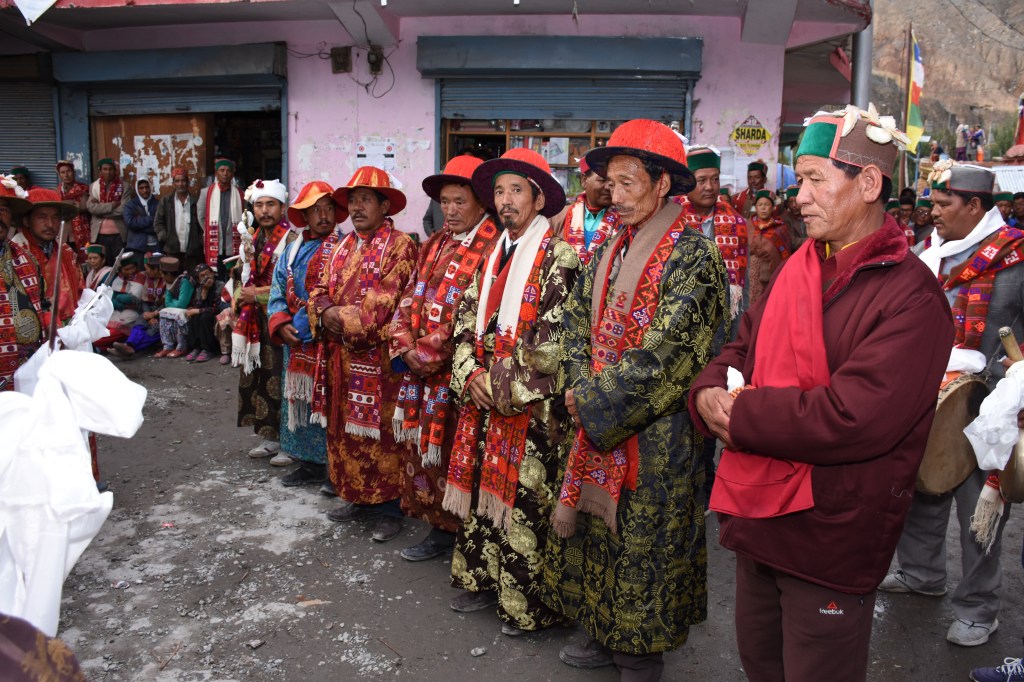


*Photographs by Karma Negi
